Waterproofing Basements in Older Homes
People searching for waterproofing basements in older homes are typically looking to prevent leaks and moisture issues, and local contractors can provide expert solutions to protect and preserve their basements.
Homeowners with older properties often face unique challenges when it comes to managing moisture and preventing water intrusion in basements. If your older home has experienced signs of dampness, leaks, or foundation concerns, exploring waterproofing options is a practical step toward protecting your property. Local contractors who specialize in basement waterproofing understand the specific needs of older homes and can provide tailored solutions to help keep basements dry and structurally sound.
Continuing to read can reveal valuable insights into the benefits of waterproofing basements in older homes, including how it can prevent costly repairs and improve overall comfort. Many property owners in the area turn to experienced service providers to address these issues effectively, ensuring that their homes remain safe and resilient. Learning more about available waterproofing services can help you make informed decisions about safeguarding your investment and maintaining the integrity of your home.
- Basement waterproofing in older homes - homeowners noticing persistent dampness or leaks may seek local contractors who specialize in assessing and addressing foundation moisture issues.
- Waterproofing in older homes - properties with existing foundation cracks or signs of water intrusion often require expert solutions to prevent further damage, with local service providers applying tailored waterproofing methods.
- Basement sealing and waterproofing - when preparing an older home for renovation or resale, individuals may look for local pros experienced in applying durable waterproofing barriers.
- Foundation waterproofing - homes with history of water-related damage or high humidity levels often benefit from professional waterproofing services that focus on moisture prevention strategies.
- Waterproofing basement walls - in cases where basement walls show signs of efflorescence or deterioration, local contractors can implement targeted waterproofing techniques to reinforce and protect the structure.
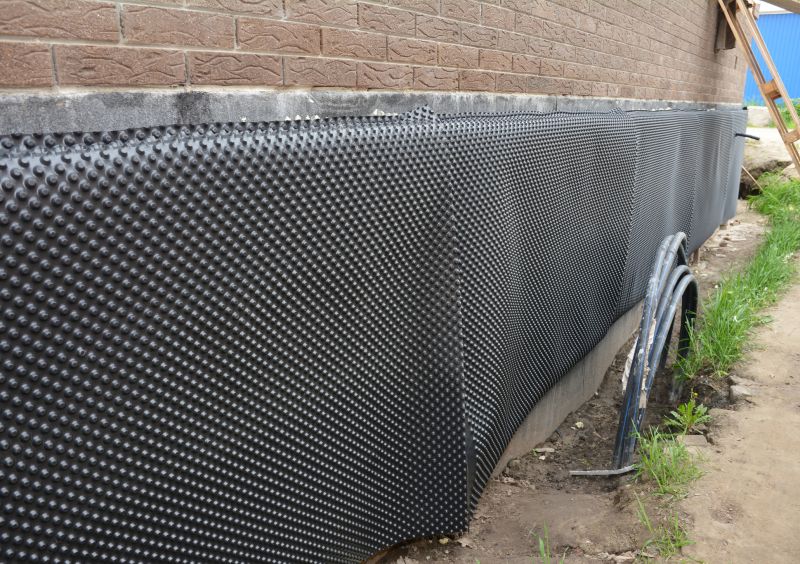
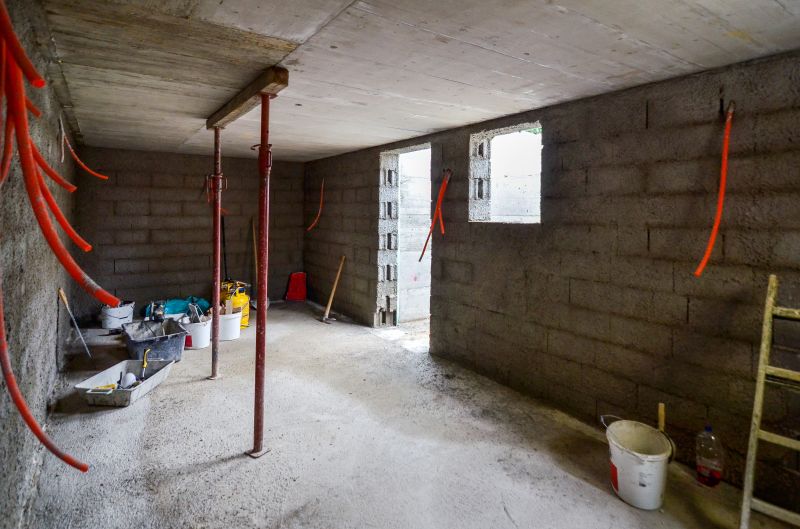
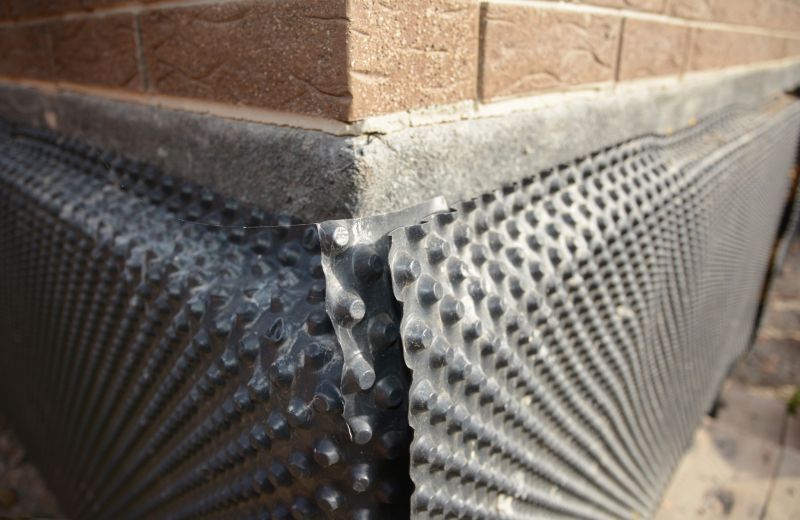
When homeowners search for information about waterproofing basements in older homes, they often are looking for solutions to persistent moisture problems or concerns about potential water intrusion. Many older properties were built without modern waterproofing techniques, making them more vulnerable to leaks, dampness, and mold growth. These searches typically stem from experiences with basement flooding, musty odors, or visible signs of water damage on walls and floors. Understanding what waterproofing involves helps homeowners see it as a practical step toward protecting their property and ensuring a healthier, more stable basement environment.
The issues related to waterproofing basements in older homes usually involve existing structural vulnerabilities or ongoing water challenges. Common problems include cracked foundations, deteriorated or missing drainage systems, and inadequate sealing around basement walls and floors. Homeowners may also be planning renovations or finishing projects that require a dry, stable space. Local service providers can assess the specific conditions of an older home’s foundation and recommend effective waterproofing strategies, such as installing interior or exterior barriers, improving drainage, or sealing foundation cracks to prevent water from seeping in.
Properties that come up in searches for waterproofing basements in older homes are often characterized by their age and construction style. These homes might be historic or early 20th-century builds, which often lack the modern waterproofing features found in newer construction. They may sit on uneven terrain or have landscaping that directs water toward the foundation. Basements in these homes tend to be more prone to moisture issues due to aging materials or outdated construction methods. Local contractors familiar with older home foundations can evaluate these properties and recommend tailored waterproofing solutions that respect the building’s historic features while addressing current water intrusion risks.
Connecting with experienced local contractors is key to successfully waterproofing basements in older homes. These professionals understand the unique challenges that come with older properties, such as fragile foundations or limited access points. They can identify the root causes of moisture problems and suggest appropriate measures, whether that involves interior sealants, exterior excavation, or drainage improvements. Homeowners benefit from working with service providers who have experience with older homes, as they can develop customized solutions that protect the property’s integrity and help maintain a dry, stable basement environment for years to come.
Foundation Repair - foundation repair projects often require similar skills in assessing structural issues and implementing waterproofing solutions to prevent water intrusion in older homes.
Drainage System Installation - installing effective drainage systems involves planning and tools comparable to waterproofing basements, ensuring water is directed away from the foundation.
Crawl Space Encapsulation - encapsulation techniques share planning and sealing skills with basement waterproofing, helping to control moisture in older home foundations.
Wall Sealing and Coating - applying sealants and waterproof coatings on basement walls relates directly to waterproofing basements in older homes, requiring similar surface preparation and application methods.
Interior Waterproofing - interior waterproofing methods involve similar plumbing and sealing skills used in basement waterproofing to manage water entry points.
Masonry Repair and Restoration - restoring cracked or deteriorated masonry shares the planning and repair skills necessary for effective basement waterproofing in older homes.
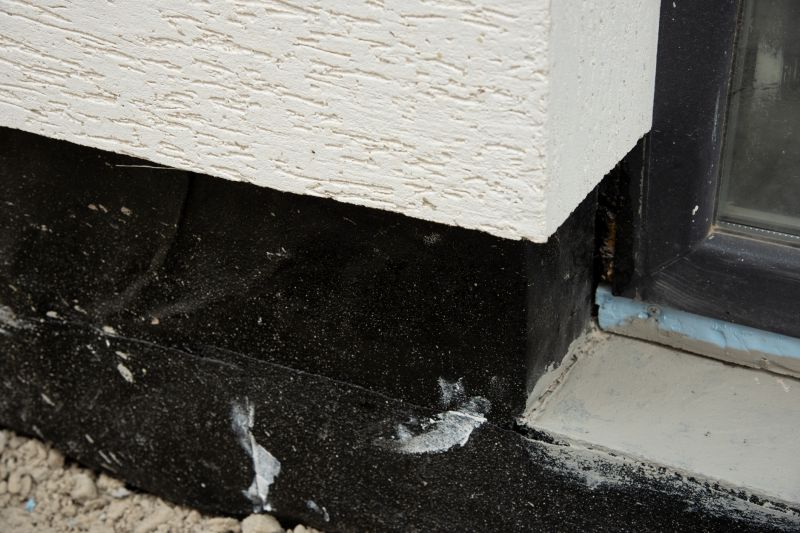
When evaluating service providers for waterproofing basements in older homes, it is important to consider their experience with similar projects. Homeowners should inquire about how many waterproofing jobs the contractor has completed in older structures, especially those with unique challenges such as uneven foundations or outdated drainage systems. A contractor with a proven track record working in older homes is more likely to understand the specific issues that can arise and how to address them effectively, ensuring the longevity of the waterproofing solution.
Clear written expectations are essential when comparing local contractors. Homeowners should seek detailed proposals that outline the scope of work, materials to be used, and the steps involved in waterproofing the basement. Having this information in writing helps prevent misunderstandings and provides a benchmark for evaluating the quality and comprehensiveness of each service provider’s approach. Transparent communication about what to expect during and after the project also fosters trust and confidence in the chosen contractor.
Reputable references and good communication are key indicators of a reliable service provider. Homeowners are encouraged to ask for references from previous clients, particularly those who had similar basement waterproofing needs in older homes. Speaking with past customers can reveal insights about the contractor’s professionalism, reliability, and ability to deliver results. Additionally, a contractor who communicates clearly and promptly during the inquiry process demonstrates a commitment to customer service, making it easier to address questions and concerns throughout the project.
Property owners often search for waterproofing basements in older homes when they are planning practical projects around their homes and businesses. Local pros provide Basement Waterproofing services for everyday jobs and straightforward project options.
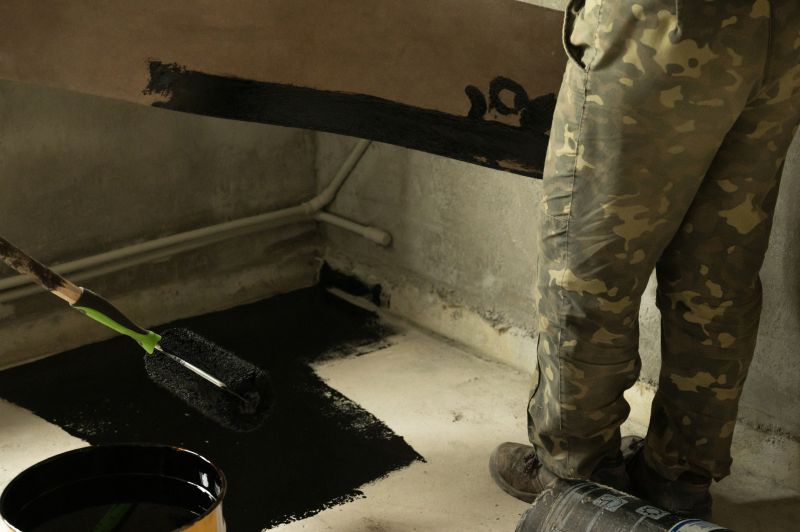
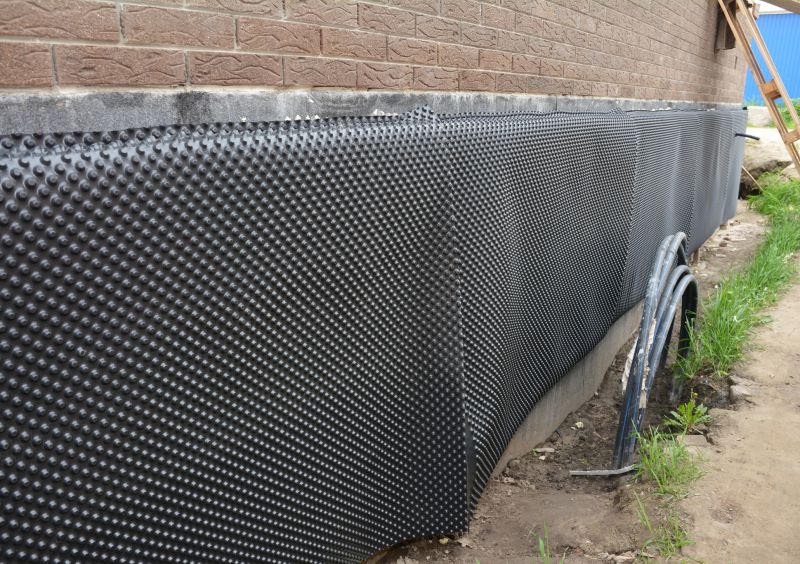
Homeowners in older properties often encounter issues with moisture or water seepage in their basements, especially after heavy rains or during seasonal changes. Many property owners search for information about waterproofing basements in older homes to understand potential solutions that can prevent water damage, mold growth, and structural concerns. Local contractors who specialize in basement waterproofing can evaluate existing conditions, recommend suitable methods, and help implement effective barriers or drainage systems to protect the property’s foundation.
People considering basement waterproofing services may also be motivated by the desire to improve their living space or protect their investment. Older homes might have outdated or compromised waterproofing measures that need updating or repair. Connecting with experienced service providers can ensure that the work is done properly to manage water intrusion and maintain a dry, stable basement environment. These local experts are equipped to handle the unique challenges that come with waterproofing in older homes, providing peace of mind for property owners seeking reliable solutions.
What are common methods used to waterproof basements in older homes? Local contractors often use techniques such as interior sealants, exterior waterproofing membranes, and drainage systems to protect older basement structures from water intrusion.
Is waterproofing in older homes different from newer homes? Yes, older homes may require specialized approaches due to existing foundation conditions, previous repairs, or outdated materials, making professional assessment important.
How do local service providers assess the waterproofing needs of an older basement? They typically perform a thorough inspection to identify cracks, moisture sources, and drainage issues, then recommend appropriate waterproofing solutions tailored to the home's condition.
Can waterproofing methods be applied without significant structural changes? Many waterproofing options, such as interior coatings and drainage improvements, can be implemented without major structural alterations, depending on the basement's condition.
What should homeowners consider when choosing a waterproofing service for an older basement? It's important to select experienced local contractors who understand the specific challenges of older homes and can recommend effective, long-lasting waterproofing solutions.
Assess existing basement conditions - Property owners can evaluate signs of moisture or water intrusion to determine if waterproofing in older homes is needed, and then seek local contractors for an inspection.
Install interior drainage systems - Installing sump pumps and drainage panels with help from local service providers can redirect water away from basement walls effectively.
Seal foundation cracks and joints - Sealing visible cracks and gaps with appropriate materials can prevent water entry, with local pros providing the necessary repairs.
Apply waterproof coatings and membranes - Using specialized coatings or membranes on basement walls can create a barrier against moisture, with local contractors handling the application process.
If you are thinking about waterproofing basements in older homes for a property, this guide is meant to help you understand this topic, the typical project types, and how different options might fit your plans.
When you are ready, you can use the quote form on this page to share a few details about your project. From there, local pros can review the basics and follow up with options that match what you have in mind.